Featured

9 Simple Techniques For Starting Consultation and What to Ask
Table of Contents
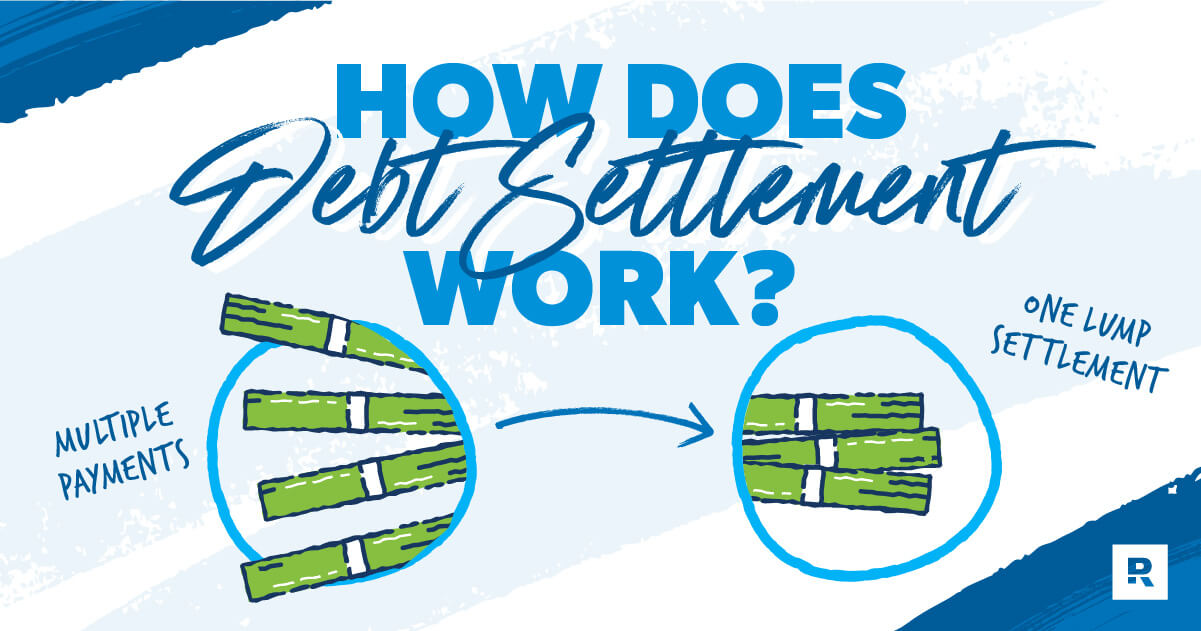
That releases up money in the short term, and you might have 3 to 4 years to save towards the negotiation amount. Really unsafe to credit rating, mainly because of missed out on payments and an unfavorable "worked out" mark that could remain on your credit record for approximately seven yearsMay be only option if other options (debt loan consolidation, equilibrium transfer credit history cards, financial debt forgiveness) aren't possibleTypically needs a cost to the third party, which could counter some or every one of the savings from debt settlementMay aid you prevent bankruptcy if you have actually missed numerous paymentsNot all lenders deal with financial obligation settlement firms Financial debt mercy might be ideal for you if you are experiencing an economic challenge that makes it almost difficult to pay down your financial debt balances.
With a DMP, you make one regular monthly payment to the credit scores therapy company. Those funds are after that dispersed to lenders of your unsecured financial debts, such as credit history cards and installment loans. The firm deals with your lenders to lower rates of interest or forgo costs, however some creditors may decline such giving ins.
A financial obligation loan consolidation finance combines your qualified financial debts into one new financing. It can help you pay down financial obligation if you have the ability to secure a finance price that's lower than the ordinary rate of the accounts you're settling. Nonetheless, you need to avoid acquiring financial debt on those freshly cleared accounts or your financial obligation might expand also higher.

These cards usually use a 0% rate of interest introductory duration of up to 21 months. That provides you lots of time to remove or dramatically minimize your equilibrium while making interest-free repayments. For some individuals facing overwhelming financial debt, bankruptcy may be the only means to stop collection process and legitimately settle their financial obligations.
All about Policy Changes Affecting Debt Relief Availability
You might require it if your financial institution or a debt collector ever attempts to gather on the debt in the future. The letter could verify you do not owe what the debt collection agency's records reveal. Yes, most of the times, the IRS takes into consideration forgiven debt as gross income. When a lending institution forgives $600 or more, they are needed to send you Kind 1099-C.
Debt mercy or settlement generally hurts your credit scores. Anytime you work out a financial debt for less than you owe, it might appear as "worked out" on your debt report and impact your credit rating for seven years from the day of negotiation. Your debt can also go down considerably in the months leading to the mercy if you fall back on repayments.
Essential Things to Ask a Bankruptcy Counseling Service - An Overview
This situation often results from underreporting income, not filing returns on time, or disparities found throughout an IRS audit. The repercussions of collecting tax obligation debt are serious and can consist of tax liens, which give the IRS a legal case to your property as safety and security for the financial obligation.
Salaries and Bank Accounts Internal revenue service can impose (take) incomes and financial institution accounts to please the debt. Home Seizure In severe situations, the Internal revenue service can confiscate and market building to cover the debt.
Clinical depression, anxiety, and other mental wellness issues. Social Stigma Facing lawsuit from the IRS can lug social preconception. Damage to track record and partnerships. Work Opportunities A bad credit report as a result of tax debt can restrict work opportunities. Trouble finding or keeping a work. Government Benefits Tax debt might influence eligibility for federal government advantages, such as Social Safety And Security and Medicaid.
9 Simple Techniques For Unsecured Debt How Nurses Can Reduce Loan Payments Without Refinancing Options
The OIC considers numerous elements, consisting of the taxpayer's income, expenses, asset equity, and capacity to pay. Efficiently working out an OIC can be complicated, calling for a complete understanding of the internal revenue service's guidelines and a solid debate for why your offer lines up with your capacity to pay. It is necessary to keep in mind that not all applications are accepted, and the procedure needs in-depth economic disclosure.
The internal revenue service evaluates your general monetary scenario, including your revenue, expenditures, asset equity, and capacity to pay. You have to also be current with all declaring and repayment needs and not be in an open insolvency case. The internal revenue service additionally considers your compliance history, evaluating whether you have a document of prompt declaring and paying tax obligations in previous years.
Indicators on Establishing Post-Bankruptcy Budget for Lasting Security You Need To Know
The application procedure for an Offer in Compromise includes a number of in-depth actions. You need to finish and submit IRS Form 656, the Offer in Compromise application, and Form 433-A (OIC), a collection details statement for people. These kinds call for detailed monetary info, including details concerning your revenue, debts, expenses, and properties.
Back tax obligations, which are overdue taxes from previous years, can significantly boost your complete internal revenue service debt otherwise resolved quickly. This debt can accrue passion and late payment fines, making the initial amount owed much bigger over time. Failing to repay taxes can cause the IRS taking enforcement actions, such as releasing a tax lien or levy versus your residential or commercial property.
It is very important to deal with back taxes asap, either by paying the total owed or by organizing a repayment plan with the internal revenue service. By taking positive actions, you can prevent the build-up of added rate of interest and fines, and protect against a lot more aggressive collection activities by the IRS.
One typical reason is the idea that the taxpayer can pay the sum total either as a round figure or through a settlement strategy. The IRS additionally considers the taxpayer's revenue, costs, property equity, and future earning capacity. If these elements indicate that the taxpayer can afford to pay greater than the used amount, the IRS is likely to reject the deal.
The Single Strategy To Use For Continued Support and Community Resources
Dealing with Internal revenue service debt can be intricate and complicated. Tax experts, such as CPAs, tax obligation attorneys, or enlisted representatives, can give invaluable aid.

Table of Contents
Latest Posts
Restoring Your Credit Rating Post Bankruptcy Can Be Fun For Everyone

Unknown Facts About Creating Post-Should I Pay Credit Cards or Taxes First? Your Complete Debt Priority Guide : APFSC Budget for Permanent Success
)
Questions You Should Ask a Student Loans & Debt Counseling: How APFSC Can Help Organization Fundamentals Explained
More
Latest Posts
Restoring Your Credit Rating Post Bankruptcy Can Be Fun For Everyone
Questions You Should Ask a Student Loans & Debt Counseling: How APFSC Can Help Organization Fundamentals Explained