Featured
Unknown Facts About Creating Post-Should I Pay Credit Cards or Taxes First? Your Complete Debt Priority Guide : APFSC Budget for Permanent Success
Table of Contents
While brand-new debt can aid you reconstruct, it's essential to room out your applications. If you have a member of the family or close friend with stellar credit report, think about inquiring to include you as an accredited customer on among their charge card. If they do it, the full background of the account will be included in your debt records.
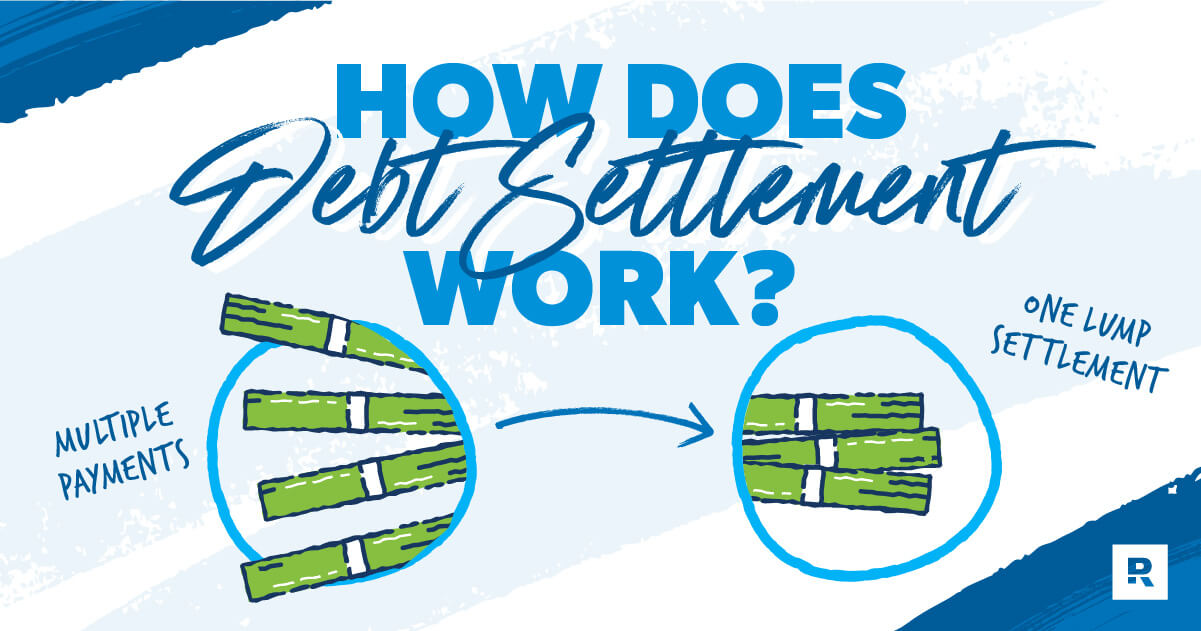
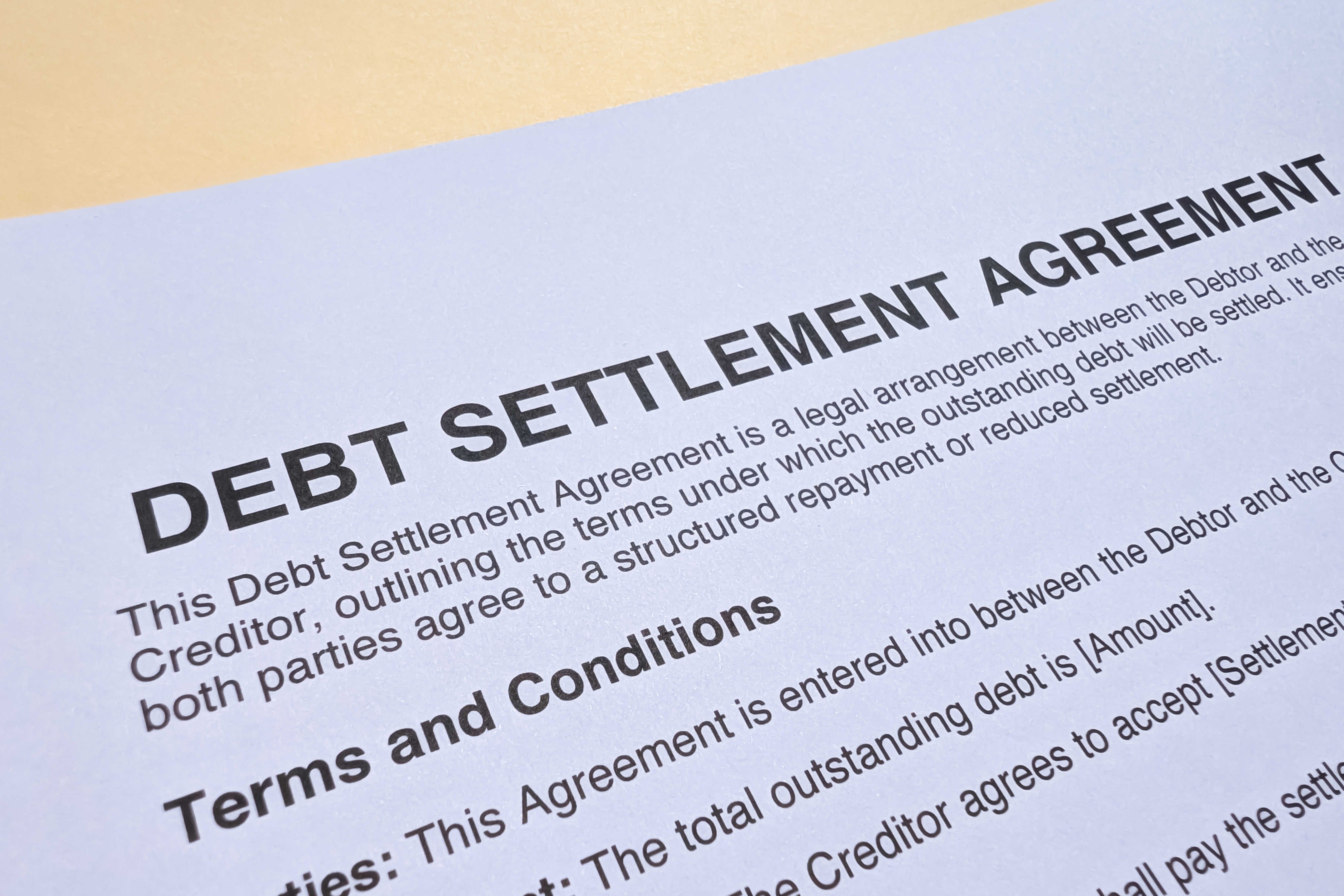
Before you take into consideration debt settlement or insolvency, it is essential to recognize the prospective benefits and downsides and just how they could put on your situation. Right here's what to keep in mind. Both alternatives can decrease or get rid of large parts of unsafe financial obligation, assisting you stay clear of years of uncontrollable payments. Working out a financial obligation or declaring for bankruptcy can quit claims, wage garnishments, and aggressive lender activities.
If you're not exactly sure that financial debt settlement or personal bankruptcy is ideal for you, right here are a few other financial debt alleviation options to think about. The appropriate method will certainly rely on your situation and objectives. If you have some adaptability with your budget plan, here are some sped up financial debt repayment options you can go after: Begin by providing your financial debts from the tiniest to the largest balance.
The Ultimate Guide To How Quality Counselors Differ from the Industry
The counselor negotiates with financial institutions to lower rates of interest, forgo late costs, and develop a manageable monthly payment. You make one combined repayment to the company, which after that pays your banks. While a DMP does not lower the major equilibrium, it helps you settle debt quicker and extra cost effectively, generally within three to five years.
While you can work out with creditors on your own, it's typically a complicated and taxing process, particularly if you require to settle a huge quantity of debt across a number of accounts. The procedure requires a solid understanding of your financial resources and the lender's terms in addition to confidence and perseverance. Consequently, there are financial obligation alleviation companies additionally called financial debt settlement firms that can manage the arrangements for you.
People that enroll in financial obligation alleviation programs have, usually, roughly $28,000 of unprotected debt throughout nearly 7 accounts, according to an analysis commissioned by the American Association for Financial Obligation Resolution, which looked at customers of 10 major debt relief companies between 2011 and 2020. Regarding three-quarters of those clients contended the very least one financial obligation account effectively resolved, with the common enrollee working out 3.8 accounts and more than fifty percent of their registered financial debt.
It's typical for your credit rating to fall when you initially begin the financial debt alleviation process, particularly if you quit making payments to your lenders. As each financial obligation is resolved, your credit report must start to rebound. Make sure you understand the complete expenses and the impact on your debt when examining if financial obligation negotiation is the right choice.
Some Known Facts About Steps to Take to Restore Your Finances.
As mentioned over, there are choices to financial obligation negotiation that may be a far better fit for your financial circumstance. This strategy turns several financial obligations into a single regular monthly payment and usually supplies a reduced rate of interest price, simplifying your funds and potentially saving you cash over time.
Here's exactly how each one works: Financial obligation debt consolidation loans: These are individual lendings that you can make use of to settle your existing financial obligations, leaving you with simply one month-to-month costs, typically at a lower rates of interest. Balance transfer bank card: This involves relocating your existing bank card equilibriums to a new credit scores card that provides a lower interest price or a marketing 0% APR for a set duration.
As soon as the duration ends, rates of interest will be significantly high often over 20%. Home equity loans or HELOCs (home equity credit lines): These financings allow you to obtain against the equity in your home. You receive a swelling sum or a line of debt that can be used to settle financial obligations, and you generally gain from reduced rates of interest contrasted to unsafe financings.
The smart Trick of Actual Stories of Families Who Secured Peace of Mind That Nobody is Discussing
These plans have several benefits, such as simplifying your payments by settling several into one and possibly minimizing your rate of interest. Yet they typically feature an arrangement cost varying from $30 to $50, and a regular monthly upkeep cost of around $20 to $75, relying on the agency you collaborate with.
Having a great deal of financial debt can be overwhelming, but it's still vital to take the time to take into consideration the information of different options so you understand any type of prospective threats. The very best financial obligation prepare for you depends on your financial situation. If you're battling with your bills but still haven't missed any payments, a debt administration plan may be a great fit especially if you don't want your credit report to storage tank.
Whichever your circumstance is, think about talking with a licensed credit rating therapist, a personal bankruptcy attorney, or a certified debt consultant prior to moving on. They can help you obtain a complete understanding of your financial resources and choices so you're better prepared to make decisions. An additional element that affects your options is the kind of financial debt you have.
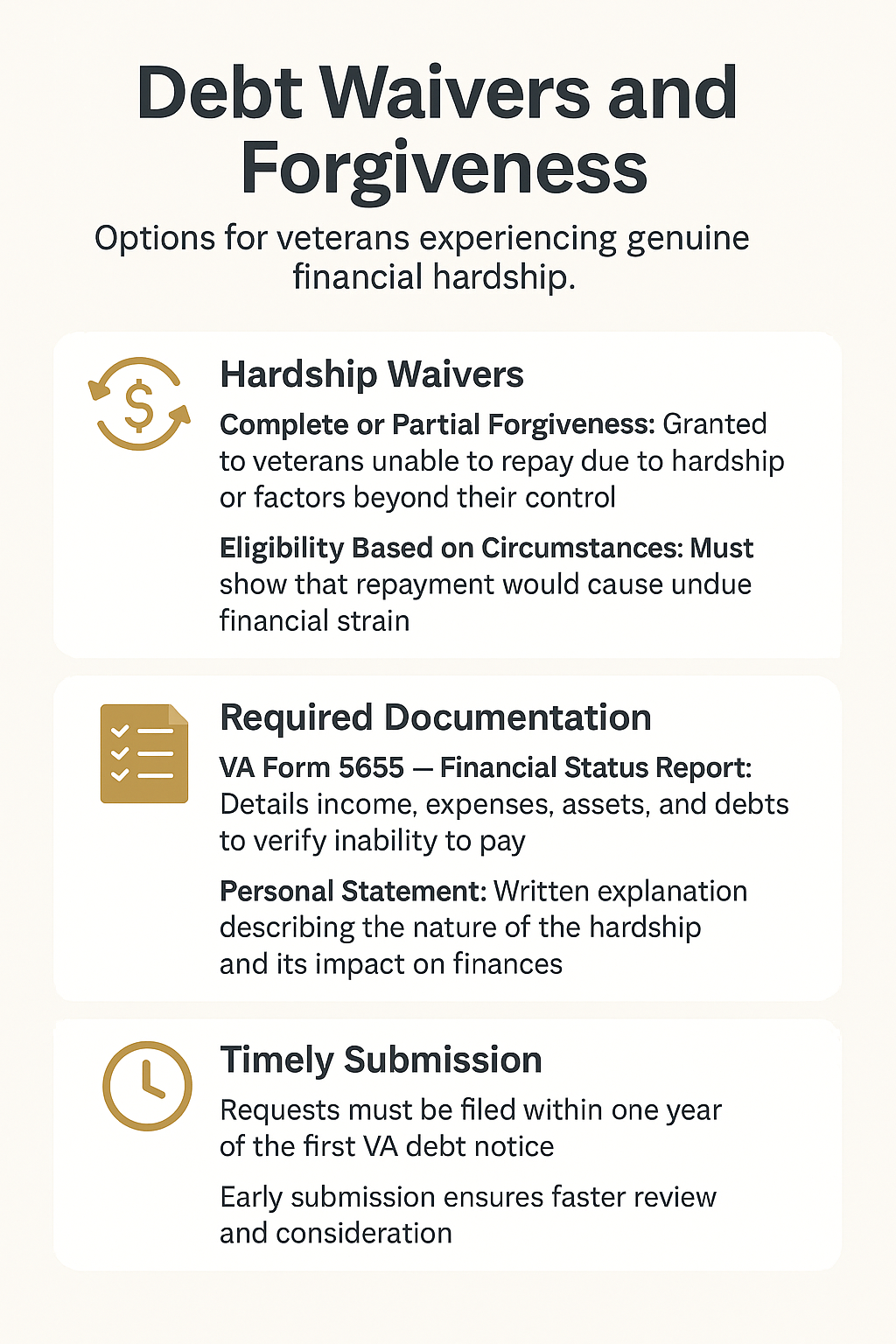
It is necessary to recognize that a discharge is distinctive from debt forgiveness, and financial obligation does not get "forgiven" via a personal bankruptcy filing. Our West Palm Beach bankruptcy lawyers can clarify in more detail. In general, "financial debt mercy" refers to a scenario in which a creditor does not believe it can gather the total of the debt owed from a debtor, and either quits attempting to gather or accepts forgive an amount much less than what the debtor owed as component of a debt settlement contract.
How Value Compared to DIY Methods can Save You Time, Stress, and Money.
When this happens, the financial debt will be thought about "terminated" by the internal revenue service, and the debtor will usually obtain a cancellation of financial obligation form the quantity of financial debt forgiven is taxed. In a personal bankruptcy situation, debt is not forgiven by a creditor. Rather, it is discharged by the bankruptcy court, and discharge has a different definition from financial debt forgiveness.

Table of Contents
Latest Posts
Restoring Your Credit Rating Post Bankruptcy Can Be Fun For Everyone
Unknown Facts About Creating Post-Should I Pay Credit Cards or Taxes First? Your Complete Debt Priority Guide : APFSC Budget for Permanent Success
)
Questions You Should Ask a Student Loans & Debt Counseling: How APFSC Can Help Organization Fundamentals Explained
More
Latest Posts
Restoring Your Credit Rating Post Bankruptcy Can Be Fun For Everyone
Questions You Should Ask a Student Loans & Debt Counseling: How APFSC Can Help Organization Fundamentals Explained